First Day of School Sublimation Designs: A Creative & Practical Guide for Teachers, Parents, and Small Businesses
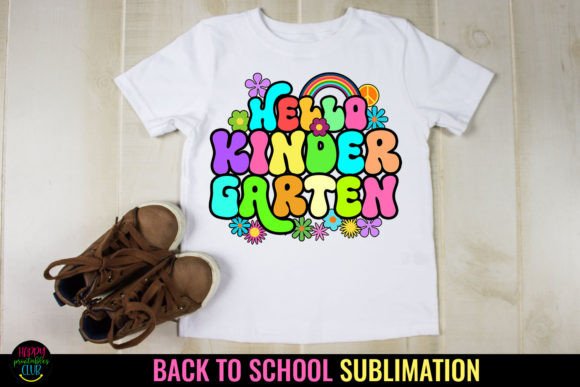
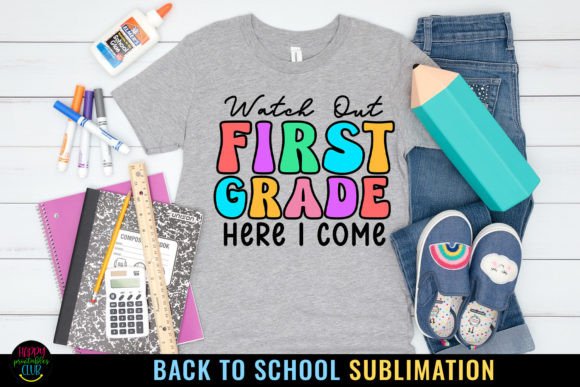
Whether you're a parent capturing a milestone, a teacher building classroom spirit, or a small business owner launching a seasonal product line, First Day of School sublimation designs offer a joyful, customizable, and highly marketable way to celebrate new beginnings. Among the most popular is the “First Grade First Day School” sublimation design — a cheerful, ready-to-use digital asset perfect for t-shirts, water bottles, tote bags, tumblers, mugs, notebooks, journals, and even invitations. But what exactly makes this type of design so valuable? And how can you use it effectively — ethically, technically, and creatively?
What Is Sublimation Design — and Why Does It Matter for Back-to-School?
Sublimation is a printing process where solid ink transforms directly into gas under heat and pressure, bonding permanently with polyester-coated or polymer-infused materials (like ceramic mugs, aluminum tumblers, or polyester-blend fabrics). Unlike screen printing or vinyl cutting, sublimation produces full-color, edge-to-edge, fade-resistant prints that won’t crack or peel.
A “Happy First Day of School” PNG sublimation file is specifically formatted for this process: high-resolution (300 DPI), transparent background, and RGB color mode — all essential for crisp, vibrant transfers. The included 12×12 inch size ensures versatility across common blanks, from youth-sized tees to oversized tote bags.
What You Actually Receive (and What You Don’t)
When you purchase this digital download, you receive:
- A single ZIP folder containing one high-quality PNG file (12×12 inches, 300 DPI, transparent background)
- No physical items — this is a digital-only product. Nothing ships.
- No software support, installation help, or step-by-step tutorials — the designer provides creative assets only.
This clarity is important. Many first-time buyers assume they’ll get printed shirts or editing instructions — but digital sublimation files are tools, not turnkey solutions. Think of them like premium stock photos or font files: powerful when used correctly, but requiring your own equipment and know-how.
Why Resolution and Format Matter
The 300 DPI resolution ensures sharp detail even on larger items like 15-ounce mugs or 16-ounce tumblers. Lower-resolution files (e.g., 72 DPI web images) would appear pixelated or blurry after sublimation — especially noticeable in fine text like “First Grade” or delicate illustrations of apples, pencils, or smiling backpacks.
The PNG format with transparency means the design integrates cleanly onto any background color — no white boxes or awkward edges. This flexibility lets you place the same artwork on a navy blue tumbler, a blush pink tote, or a kraft-colored journal cover without manual cropping or color correction.
Real-World Uses: Beyond Just T-Shirts
While “First Day of School shirts” are the most obvious application, the versatility of this design shines across everyday and entrepreneurial contexts:
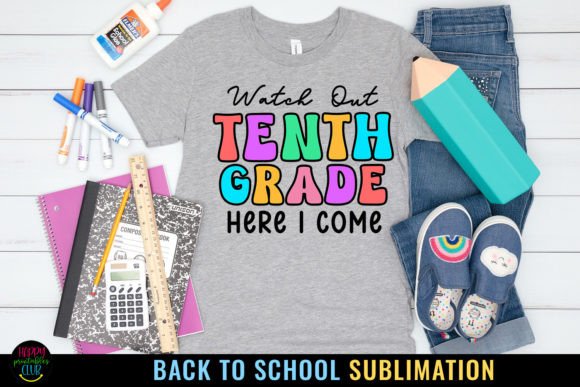
- Personal Keepsakes: Print matching parent-and-child tees, label water bottles with names + grade level, or create a “My First Day” photo prop board for kindergarten portraits.
- Classroom Community Building: Teachers use sublimated mugs for welcome gifts, custom notebooks for student writing journals, or tote bags for supply kits — reinforcing belonging and excitement.
- Small Business Opportunities: Etsy sellers, school PTA fundraisers, and local print shops leverage these files to offer limited-edition back-to-school bundles — often with personalized names or dates added in-house.
- Digital Invitations & Social Media: The same PNG can be resized for printable invitations, Instagram story templates, or digital announcements — maximizing ROI from one purchase.
Common Misconceptions — Clarified
It’s easy to misunderstand what digital sublimation files can (and can’t) do. Let’s clear up four frequent assumptions:
- ❌ “I can upload this straight to Cricut Design Space and cut it.” Reality: Sublimation files aren’t vinyl-cuttable. They’re meant for heat presses — not cutting machines. For iron-on vinyl, you’d need a separate SVG or DXF file.
- ❌ “Colors will look identical on my screen and final product.” Reality: Monitors vary widely. RGB colors may shift slightly when transferred — especially bright yellows or pastels. Always soft-proof using your printer’s ICC profile if precision matters.
- ❌ “This works on any blank item.” Reality: Sublimation only bonds reliably with polyester or polymer-coated surfaces. 100% cotton t-shirts? Not compatible unless specially coated. Always verify blank compatibility before pressing.
- ❌ “I don’t need design software — I can just drag it into Canva.” Reality: While Canva supports PNG uploads, advanced resizing, alignment, and bleed setup require tools like Adobe Photoshop, Affinity Photo, or Silhouette Studio. Beginners should test with low-cost blanks first.
Getting Started: A Simple 4-Step Workflow
You don’t need a professional studio to begin. Here’s a beginner-friendly path:
- Prepare Your Gear: A sublimation printer (Epson EcoTank with sublimation ink), heat press (or mug/tumbler press), and compatible blanks.
- Open & Resize: Use free tools like Photopea (browser-based Photoshop alternative) to open the PNG and scale it precisely for your blank — e.g., 11×14 inches for a large tote, 8.5×11 for a notebook cover.
- Print Mirror Image: Always mirror the design horizontally before printing — otherwise, text appears backwards on the final product.
- Press With Precision: Follow time/temperature guidelines for each material (e.g., 40 seconds at 400°F for ceramic mugs). Use butcher paper or Teflon sheets to protect your press.
Why This Design Fits Modern Needs — Creatively & Ethically
In an era where personalization drives engagement — from social media profiles to branded merchandise — sublimation bridges creativity and convenience. This “First Grade First Day” design isn’t just nostalgic; it’s intentionally inclusive: clean lines, friendly typography, and scalable elements suit diverse learners, neurodiverse classrooms, and multilingual families.
For educators, it supports social-emotional learning by turning transitions into celebratory rituals. For entrepreneurs, it meets rising demand for meaningful, locally made school gear — a $2.5B+ U.S. market projected to grow 5.2% annually through 2029 (Statista, 2024).
And ethically? Because it’s a digital download, it reduces waste — no packaging, no shipping emissions, no overstocked inventory. When paired with eco-conscious blanks (recycled polyester totes, bamboo notebooks), it becomes part of a values-aligned creative practice.
Final Thoughts: Design as Connection, Not Just Decoration
At its heart, a “First Day of School” sublimation file is more than pixels on a screen. It’s a vessel for memory-making, identity-building, and community signaling. Whether you’re helping a nervous six-year-old feel seen, empowering a teacher to welcome students with warmth, or launching a small batch of joyful merch — this design serves a human purpose.
Just remember: success starts with understanding your tools, respecting file specifications, and embracing experimentation. Test one mug before ordering 50. Preview colors on your monitor *and* a printed proof. Involve kids in choosing placements — a backpack strap or journal cover becomes extra special when they help decide.
Back-to-school season isn’t just about supplies — it’s about signaling care, continuity, and possibility. With the right sublimation design in hand, you’re not just printing a shirt. You’re printing confidence. One first day at a time.