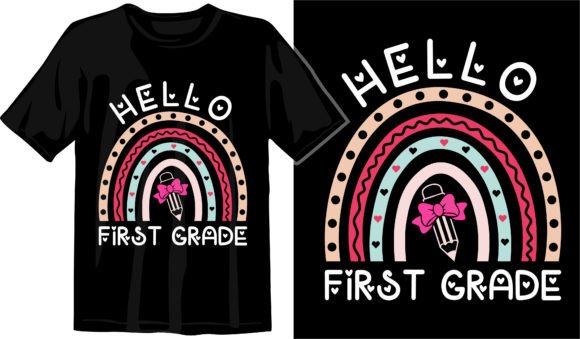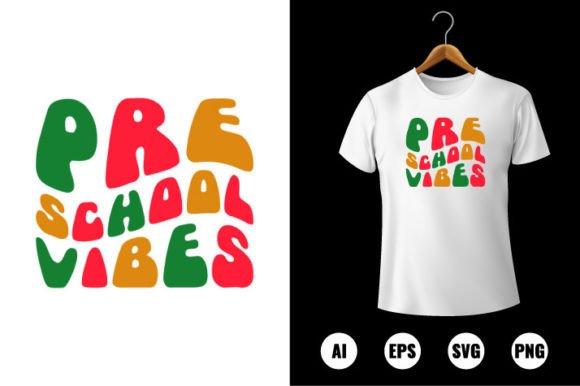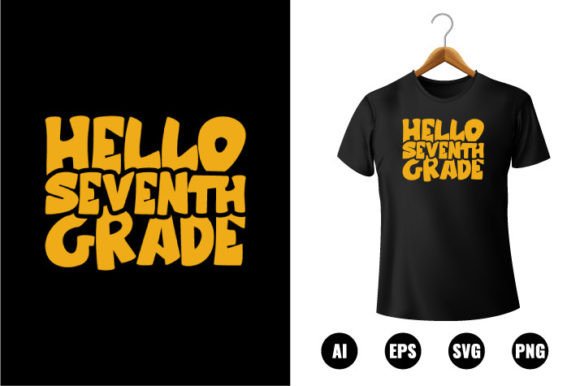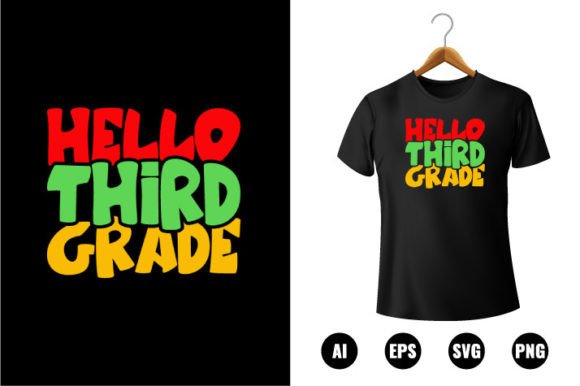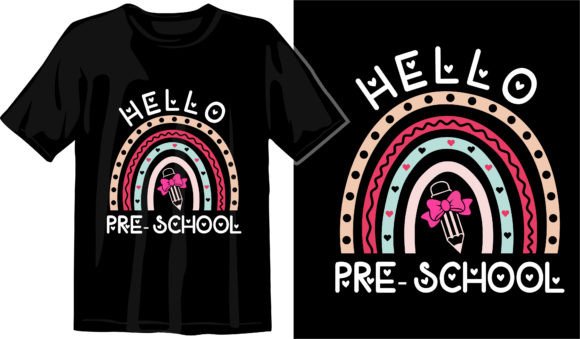
Hello Preschool Rainbow Girl Boys Design
The Hello Preschool Rainbow Girl Boys Design is a versatile, ready-to-use digital print template built for educators, small business owners, crafters, and creative professionals who need high-quality, on-brand visuals for back-to-school merchandise. It’s not a physical shirt or pre-printed item—it’s a downloadable asset package that includes multiple file formats (JPG, PNG, SVG, DXF, EPS, and sublimation-ready files) optimized for cutting, printing, heat pressing, and digital display. Its heart-shaped layout, cheerful rainbow motif, and inclusive “Rainbow Girl Boys” phrasing make it ideal for preschools, daycare centers, homeschool co-ops, and early childhood education brands aiming to communicate warmth, diversity, and joyful learning.
Where This Design Fits in Your Creative or Business Workflow
This isn’t a standalone decoration—it’s a production-ready component. Think of the Hello Preschool Rainbow Girl Boys Design as a plug-in asset: you bring the strategy, audience, and execution platform; it brings precision, visual consistency, and technical readiness. For example, if you’re launching a new preschool orientation campaign in late July, this design becomes part of your pre-launch prep—used to mock up t-shirts for staff, create welcome banners, or generate social media assets before enrollment opens. If you run a POD (print-on-demand) shop, it slots directly into your product creation pipeline: upload the SVG to your cutting software, pair it with a blank kids’ tee, and list within minutes. No redrawing. No font licensing checks. No color calibration guesswork—the rainbow palette is already balanced for fabric and screen use.
Compatibility and Format Selection by Use Case
Choosing the right file depends on your tools and output method—not preference. Here’s how formats align with real-world tasks:
- SVG and DXF: Required for Cricut, Silhouette, or Glowforge users doing iron-on transfers or vinyl decals. These vector formats scale infinitely without quality loss and retain layer separation for multi-color cuts.
- PNG with transparent background: Best for digital use—website headers, Canva social posts, email newsletters, or printable name tags. The crisp edges and alpha channel ensure clean integration over photos or gradients.
- JPG and EPS: Used for bulk printing (e.g., tote bags via local screen printers) or embedding into Adobe Illustrator layouts where raster compatibility matters more than editability.
- Sublimation-ready files: Pre-optimized for dye-sub printers—correct color profile (sRGB), no embedded ICC profiles, and 300 DPI resolution. Critical for mugs, puzzles, or polyester backpacks where bleed and vibrancy impact perceived quality.
Mismatching format to tool is the most common bottleneck. A PNG won’t cut cleanly on a Cricut; an unflattened SVG may fail in older versions of Silhouette Studio. Always verify your software’s native import support before starting a batch job.
Integration Into Broader Projects and Systems
This design rarely works alone. It gains value when connected to other assets and decisions. For instance:
- An educator preparing classroom materials might pair the heart-shaped vector with a custom class roster PDF (generated from Google Sheets), then print both on matching cardstock for student name badges and door signs.
- A small business owner launching a “Back to Preschool” bundle could use the same design across three SKUs—kids’ tees (iron-on transfer), parent coffee mugs (sublimation), and reusable lunch bags (screen print)—ensuring instant brand cohesion without redesigning each item.
- A freelance designer building a client’s rebrand kit can embed the SVG into a Figma library as a reusable component, linking it to style guides and usage notes so future edits propagate automatically.
That level of integration relies on organization—not just saving files, but labeling them consistently (hello-preschool-rainbow-girl-boys-heart-ironon.svg, not “design123.svg”) and storing them in shared cloud folders with version history enabled. One misplaced underscore in a filename can break automated workflows in platforms like Printful or Gelato.
Practical Implementation Tips for Consistent Results
Getting predictable, professional outcomes means paying attention to detail before hitting “print” or “cut.” Start with color management: the included JPG and PNG files are sRGB-encoded, but if you’re using the design on dark garments, test the iron-on opacity on scrap fabric first—some rainbow gradients soften on navy or black unless you use a white underbase layer. For sublimation, always mirror the image horizontally before printing, and confirm your printer’s bleed settings match the file’s 0.125" safe zone margin.
When scaling for different products, avoid free-form resizing in basic editors. Instead, open the SVG in Inkscape or Illustrator and use the “Scale Strokes & Effects” option only when necessary—otherwise, fine lines (like heart outlines or letter serifs) may vanish on small stickers or become pixelated on large wall decals. And if you’re applying this to curved surfaces (mugs, tumblers), use the provided EPS version with distortion correction paths—it saves hours of manual warping.
Long-Term Usability and Quality Control
Digital templates like the Hello Preschool Rainbow Girl Boys Design offer durability—but only if treated as living assets. Store master files separately from working copies. Keep a changelog: note which version was used for last year’s orientation shirts versus this year’s fundraising campaign. That way, if a parent asks for a replacement shirt and you need to reprint, you pull the exact same file—not a renamed duplicate with slight kerning differences.
Also consider scalability beyond current needs. The vector files include grouped layers for text, rainbow arcs, and heart shape—so swapping “Hello Preschool” for “Sunshine Learning Center” takes seconds, not hours. But don’t edit the base files directly. Duplicate and rename first. That preserves integrity for future batches, seasonal updates, or license audits (yes—commercial use is permitted, but redistribution or resale of the unaltered template is prohibited).
Efficiency Gains Across Roles
For time-constrained educators, this design eliminates 3–5 hours of graphic design work per campaign—no hiring freelancers, no learning Canva typography rules, no sourcing clipart with unclear licenses. For entrepreneurs running micro-brands, it reduces time-to-market from weeks to days: sketch concept → select file → produce sample → photograph → list. For marketers building nurture sequences, it provides consistent visual anchors across email, SMS, and print—reinforcing recognition without extra creative direction.
The efficiency isn’t just about speed. It’s about reducing decision fatigue. When you know the heart shape fits standard 8” x 10” frames, the rainbow colors pass WCAG contrast thresholds for accessibility, and the SVG imports cleanly into your existing workflow—your mental bandwidth shifts from “Will this look right?” to “How do I reach more families with this message?”
Final Consideration: What You’re Actually Buying
You’re purchasing a precision-crafted, field-tested component—not a generic clipart pack. Every pixel, path, and Pantone-equivalent value was refined for real applications: breathable cotton tees, glossy mug coatings, matte vinyl stickers, and sun-resistant outdoor signage. There’s no physical item because the value lies in flexibility, repeatability, and fidelity—not packaging or shipping. Once downloaded, it lives in your system, integrates with your tools, and supports your goals—whether that’s welcoming 12 new students or scaling a curriculum brand across three states.
Use it where clarity matters. Use it where consistency builds trust. Use it where time is non-renewable—and every saved minute compounds across projects, seasons, and growth.