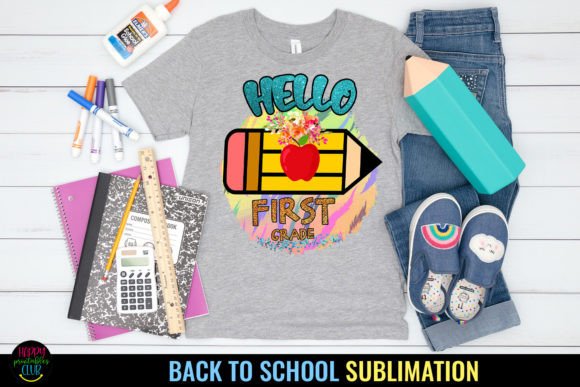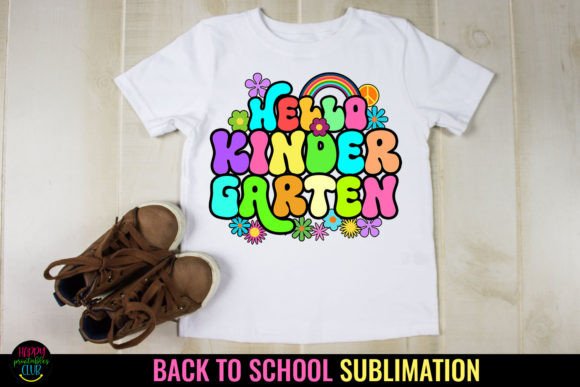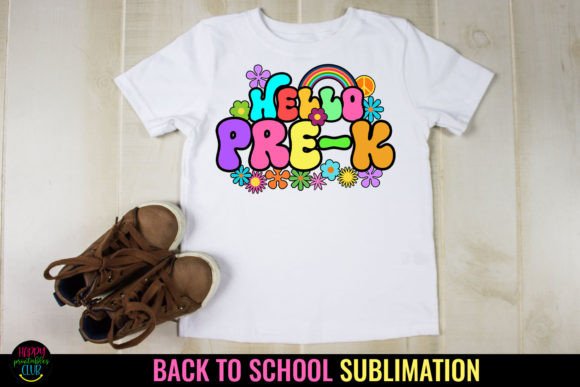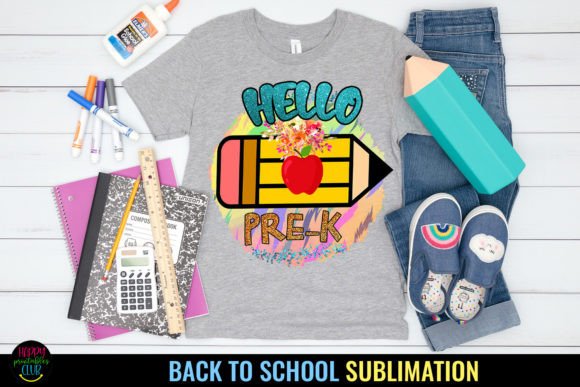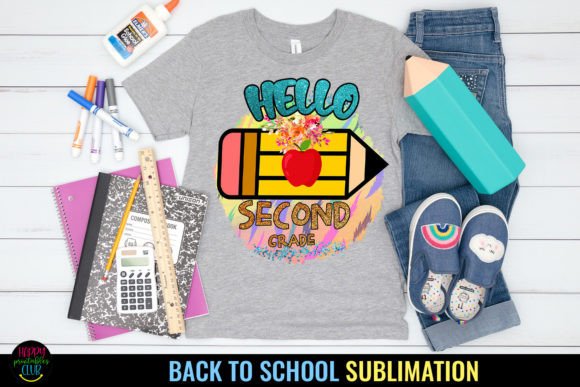
Hello Second Grade PNG I First Day Schoo
“Hello Second Grade PNG I First Day Schoo” is more than a playful typo—it’s a warm, intentional design that captures the quiet excitement of stepping into second grade. With its cheerful font, gentle color palette, and nostalgic school-day charm, this digital asset bridges simplicity and sentiment. It’s not overly polished or cartoonish; instead, it feels handmade, approachable, and authentically child-centered—ideal for creators who value clarity, emotional resonance, and versatility.
Why This Design Works Across Mediums
At 12 x 12 inches and 300 DPI, the high-resolution PNG delivers crisp detail whether printed on soft cotton tees or etched onto stainless steel tumblers. Its transparent background means no cropping or masking is needed—you drop it in, scale it appropriately, and go. That technical readiness makes it especially valuable for small business owners launching back-to-school merchandise, educators personalizing classroom supplies, or freelance designers building themed product bundles.
Unlike vector-heavy illustrations that require editing software expertise, this PNG is ready to use as-is. No layers to unlock. No fonts to source. Just one clean file, optimized for sublimation, screen printing, heat transfer vinyl (HTV), and direct-to-garment workflows.
Creative Applications Beyond T-Shirts
While t-shirts are an obvious starting point—think parent-led “Second Grade Squad” matching sets or teacher appreciation gifts—the real strength of Hello Second Grade PNG I First Day Schoo lies in its adaptability:
- Water bottles & tumblers: Pair with matte-finish sublimation blanks for durable, kid-safe drinkware—great for school fundraisers or PTA welcome kits.
- Tote bags & notebooks: Print on canvas totes for supply carry-ins or on lined journals for students’ first writing assignments. The design’s balanced proportions fill these surfaces without crowding.
- Mugs & ceramic coasters: Ideal for teacher gifts—add a handwritten note like “Thanks for guiding our second graders!” to personalize further.
- Digital invitations & classroom signage: Use the PNG in Canva or Google Slides to build printable welcome banners, digital newsletters, or virtual classroom backgrounds for Zoom meet-and-greets.
Each application benefits from the same core quality: legibility at multiple sizes. At 2 inches tall on a water bottle, the text remains readable. At 8 inches wide on a tote, it retains warmth—not overwhelm.
How Different Users Can Adapt It Thoughtfully
Educators can use it to reinforce classroom identity without extra prep time—print it on name tags, laminated desk plates, or hallway bulletin board headers. When paired with consistent colors (e.g., navy and sunshine yellow across all materials), it supports visual literacy and routine-building for young learners.
Small business owners selling on Etsy or Shopify can bundle the design across three complementary products—say, a tee, a notebook, and a pencil pouch—and market them as a “Second Grade Starter Kit.” That increases average order value while offering real utility. Just be sure to add your own branding (e.g., a subtle logo in the corner) to differentiate your shop from generic resellers.
Freelance designers can treat this as a base layer—not an endpoint. Overlay hand-drawn stars, add a student-drawn apple icon beside the text, or adjust hue saturation to match a client’s brand palette. Because it’s a PNG—not a locked PDF or rasterized JPEG—it holds up well under light editing in Photoshop, Affinity Photo, or even free tools like Photopea.
Hobbyists and parents might print it on iron-on transfers for DIY backpack patches or stitch it onto fabric using embroidery software (trace the outline, convert to stitch file). The clean edges make tracing straightforward—even for beginners.
Keeping Your Output Clear, Consistent & Audience-Friendly
Clarity starts with context. If you’re designing for second graders, avoid tiny details or low-contrast color swaps—kids respond best to bold shapes and friendly tones. Test prints before bulk orders: hold a sample up at arm’s length. Does the phrase still read clearly? Does it feel inviting—not intimidating?
Consistency comes from intentionality. Don’t scatter the design across ten unrelated products just because you can. Instead, pick two or three formats aligned with your goal: e.g., mugs + tote bags for teacher appreciation week, or tee + notebook + sticker sheet for new-student welcome packets.
Audience-friendliness means honoring real needs. A busy teacher doesn’t need another complicated download—they need something that works *now*, with tools they already own. That’s why the ZIP includes only what’s essential: one optimized PNG, no extras, no bloat. It respects their time and technical comfort level.
Realistic Tips Before You Begin
• Check your equipment first. Sublimation requires specific printers, ink, and blanks. Heat transfer vinyl demands a reliable Cricut or Silhouette machine. If you’re new to either, start with one simple project—a single mug or tote—before scaling.
• Color accuracy matters—but isn’t absolute. Monitors vary. If exact color matching is critical (e.g., aligning with school colors), order a physical proof from your printer before committing to 50 units.
• Respect usage rights. This is a personal/commercial-use digital file—but not a license to resell the PNG itself as a standalone digital product. You may use it to create physical or digital goods you sell; you may not redistribute the file.
• Keep backups. Store the ZIP in two places: cloud storage and an external drive. Digital files are powerful—but only if accessible when needed.
Final Thought: Design as a Starting Point, Not a Finish Line
Hello Second Grade PNG I First Day Schoo succeeds because it leaves room—for your voice, your audience, your process. It doesn’t shout. It invites. It gives you structure so you can focus energy where it counts: on thoughtful execution, genuine connection, and meaningful making. Whether you’re prepping for the first bell, launching a side hustle, or supporting a child’s milestone, let this design do the quiet work—so you can do the important work.